Clean website screenshots, in one API call
Capture any page as a crisp PNG, JPEG or WebP in seconds. Cookie banners removed automatically, no browser infrastructure to run.
100 free screenshots, no credit card
curl https://api.apiscreenshot.com/v1/screenshot \
  -H "Authorization: Bearer sk_live_..." \
  -H "Content-Type: application/json" \
  -d '{ "url": "https://en.wikipedia.org/wiki/Main_Page", "fullPage": true }' \
  -o screenshot.png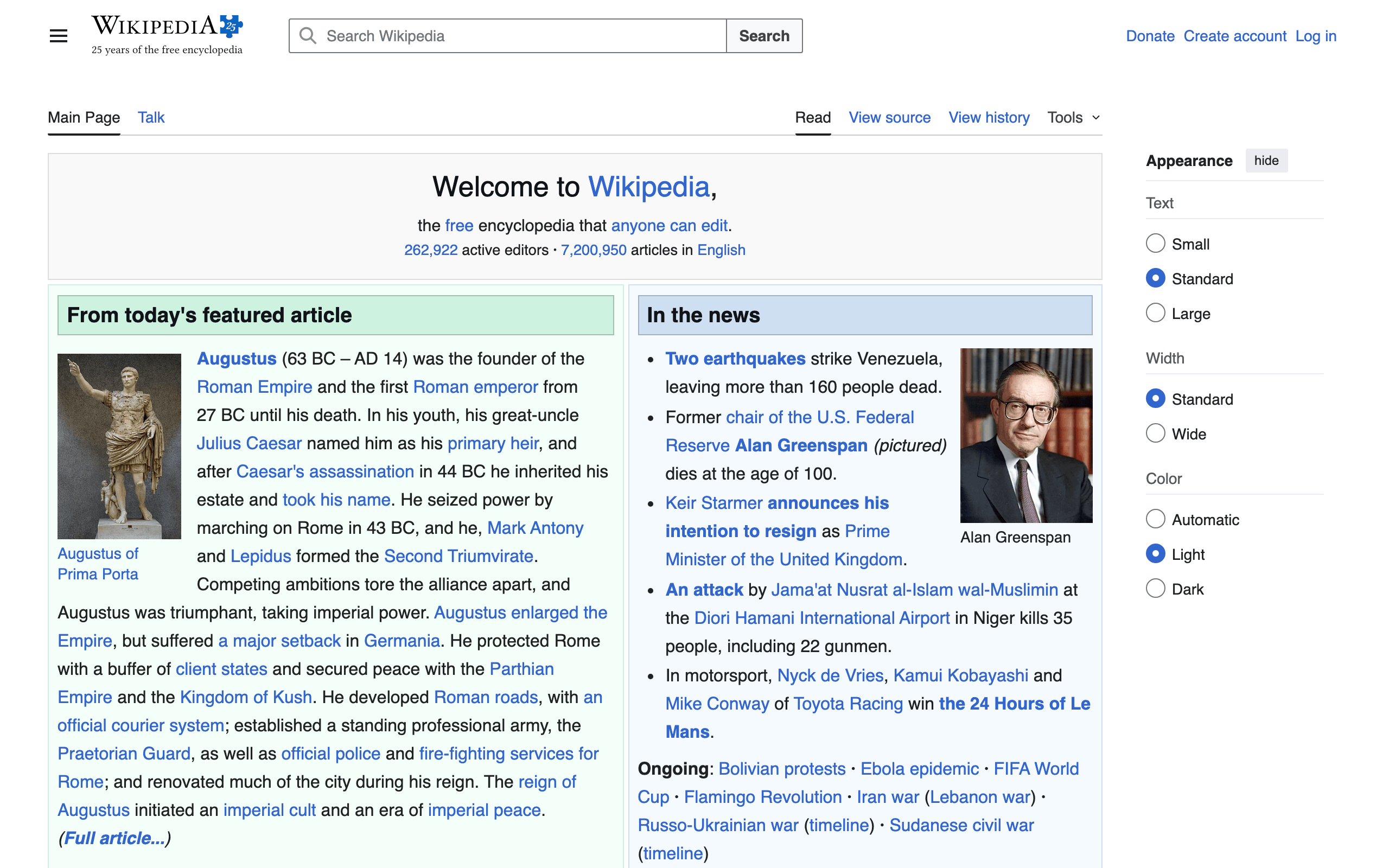
- Cookie banners removed automatically
- PNG, JPEG & WebP output
- Screenshots in seconds, nothing to run
- 100 free screenshots, no card
ONE CALL, ONE IMAGE
A URL in, the screenshot back, in any language
Send one request with your key and the response body is the image itself. No SDK to install, no job to poll, no orchestration on your side.
- Same call from cURL, Node or Python — your key as a Bearer token
- The response body is the image — save it, upload it, stream it
- PNG, JPEG or WebP, any viewport, full page or one element
- Cached results and failed requests are never billed
curl https://api.apiscreenshot.com/v1/screenshot \
  -H "Authorization: Bearer sk_live_..." \
  -H "Content-Type: application/json" \
  -d '{ "url": "https://example.com", "fullPage": true }' \
  -o screenshot.png
CAPTURE ANYTHING
A live URL or your own HTML, captured pixel-perfect
Point it at any page, or send your own HTML, and get back exactly what a real browser renders. Capture the full page, or pinpoint a single element.
- Full page or a single element — fullPage, or a CSS selector
- Render your own HTML for receipts, OG images and email previews
- Any device or viewport, retina-crisp with deviceScaleFactor
CLEAN BY DEFAULT
Every screenshot is presentation-ready
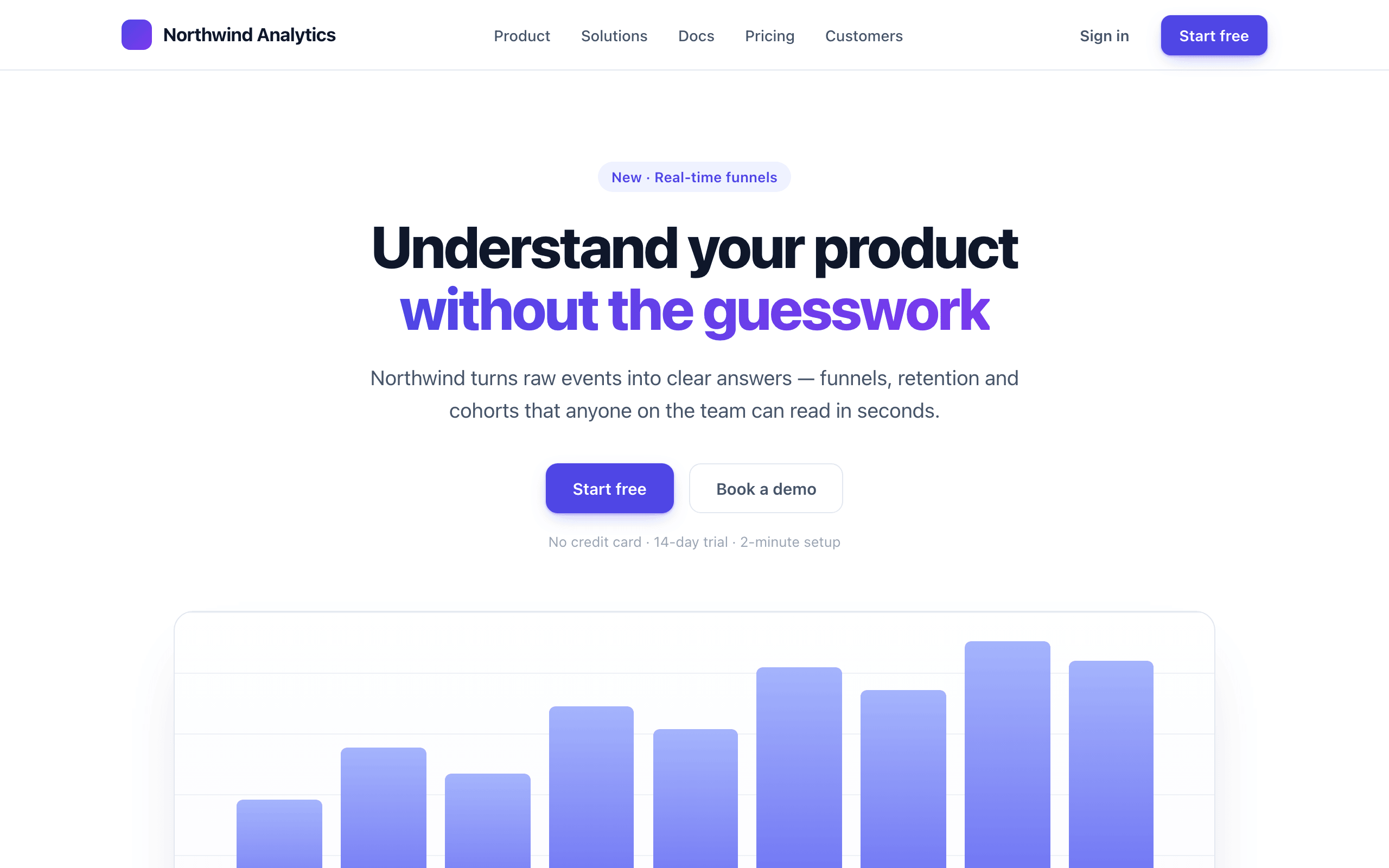
Cookie banners, consent popups and overlays are removed automatically before every capture, so your screenshots show the page, not the pop-up. There's nothing to configure.
WHAT YOU GET
Everything a screenshot service should do, without running one
Any device or viewport, retina-crisp
Frame the page exactly as desktop, tablet or mobile users see it, sharp on retina. Set the viewport and bump deviceScaleFactor to 2 or 3.
View docsAny format for the web: PNG, JPEG, WebP
Lossless PNG by default, or smaller JPEG and WebP with a quality setting for thumbnails, previews and fast-loading pages.
View docsA URL or your own HTML → an image
Capture a live url, or send your own html and get back exactly that markup rendered. Good for receipts, OG images and email previews.
View docsSafe to point at any URL
Requests to private, internal and loopback addresses are blocked by default, so a screenshot URL can never become a window onto your network.
View docs{
"mcpServers": {
"apiscreenshot": {
"url": "https://mcp.apiscreenshot.com",
"headers": { "Authorization": "Bearer sk_live_..." }
}
}
}Your AI agent can screenshot the web
Point Claude or any MCP client at APIScreenshot and it gets a native screenshot tool. Drop this in and your agent can capture any page. No glue code.
View docsUSE CASES
One endpoint, a lot of jobs
The same /v1/screenshot call powers each of these. Pick the one that fits and the page walks you through it.
Open Graph images
Render a per-page Open Graph image from your own HTML in one call.
Website thumbnails
Turn any URL into a clean preview thumbnail in a single call.
Full-page capture
Capture an entire long page, top to bottom, in a single image.
Visual monitoring
Re-capture a page on a schedule and spot visual changes or regressions.
Link previews
Unfurl any pasted URL into a rich preview card with a thumbnail.
Website archiving
Snapshot a page exactly as it appeared, for compliance and records.
PRICING
Pay per screenshot. Start free.
Every account starts with 100 free screenshots, no credit card. Cached results and failed requests are never billed.
Starter
Your first screenshots in production.
3,000 screenshots included · Never billed past your plan
Start free- 3,000 screenshots / month
- Clean shots with banners removed
- PNG, JPEG & WebP, retina & device viewports
- Capture a live URL or your own HTML
- MCP server for AI agents
- Never billed past your plan
Pro
When your screenshot volume climbs.
20,000 screenshots included · Never billed past your plan
Start free- 20,000 screenshots / month
- Everything in Starter
- Higher rate limits for steady volume
- One screenshot = one credit; cached & failed never billed
- Never billed past your plan
Scale
High-volume capture, lowest unit price.
100,000 screenshots included · Never billed past your plan
Start free- 100,000 screenshots / month
- Everything in Pro
- Highest rate limits
- Lowest price per screenshot
- Never billed past your plan
FAQ
Questions, answered
Still stuck? The docs cover every parameter, or reach us at support@apiscreenshot.com.
Make your first call today
One endpoint, 100 free screenshots to start. No credit card.